
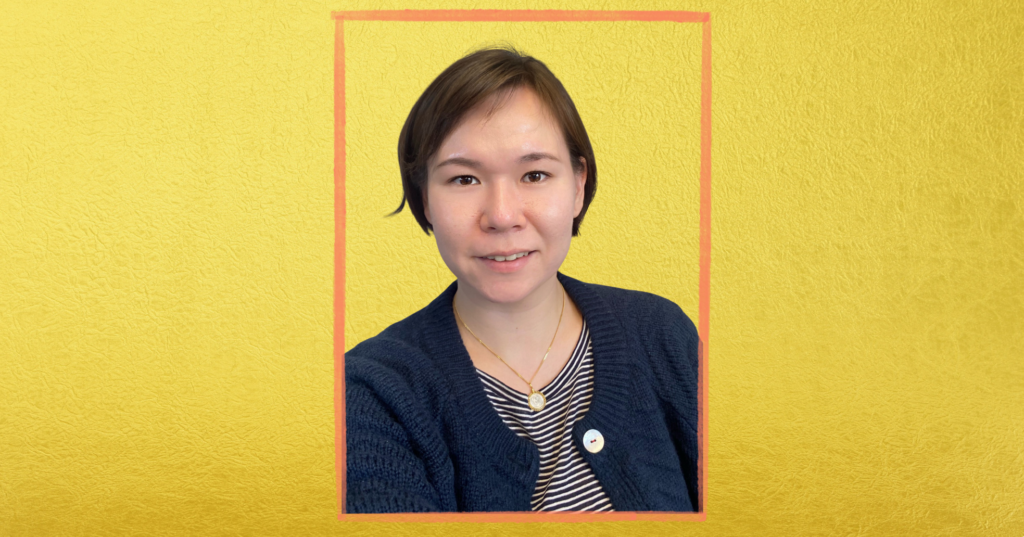
Julia is a doctoral researcher at ETH Zurich, currently completing her PhD in regional geoid modeling for CERN. Her research focuses on the development of a geoid model for the planned Future Circular Collider at CERN, intended as the reference surface for the updated CERN vertical height system and the correction surface for the hydrostatic leveling system used for the pre-alignment inside the tunnel. Her work also includes a systematic analysis of uncertainty propagation along the processing chain and its impact on the final geoid solution.
Julia has been actively involved in the IAG ECS Representatives Group since 2023. In this role, she has delivered presentations at several conferences on behalf of the IAG-ECS group, outlining the objectives of the ECS initiative and advocating for increased visibility and involvement of early career scientists in geodetic research and decision-making processes. She also contributed to the collection and development of ideas, events, and outreach activities aimed at promoting geodesy to the broader public and encouraging student engagement in the field. Together with her colleagues, she has organized several IAG-funded ECS events. In addition, as a member of the GGOS Governing Board, she supports the implementation of ECS-related tasks defined in the GGOS Implementation Plan and promoted ECS-related initiatives within the governing framework.
Julia’s perspective on ECS challenges
As an early-career scientist, Julia observes that many ECS feel overwhelmed when attending conferences, particularly when they participate without colleagues from their home institutions and are unsure how to approach more senior researchers. While conferences offer valuable opportunities for networking and collaboration, many ECS primarily attend scientific sessions, although similar information could often be obtained through publications, and may find it difficult to engage in broader community interactions.
Furthermore, the structure and scope of working groups, joint working groups, and joint study groups within IAG can be complex and not always transparent, making it challenging for ECS to identify pathways for involvement. Additionally, the stronger emphasis on publication output and the limited duration of many funding schemes can lead ECS to prioritize research output over community engagement and service activities, despite their long-term importance for the discipline.