
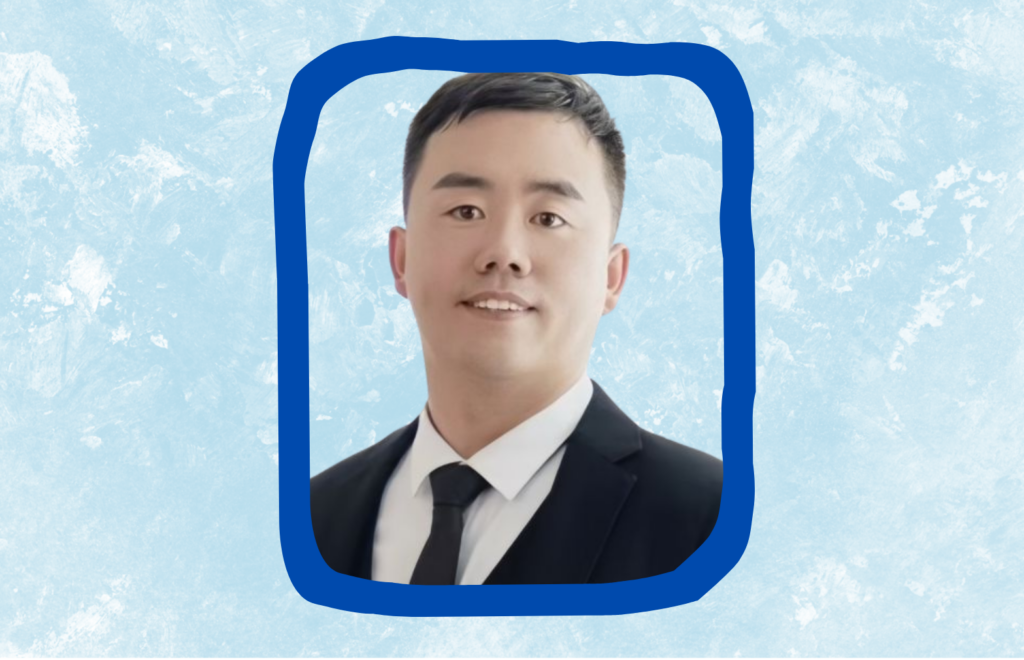
Dr. Bo Su is an early-career scientist from China, conducting research at the interface of cryosphere, Earth system, and sustainability sciences. His work aims to advance our understanding of how the Earth’s frozen components function within the Earth system, how they support human wellbeing, and how their resilience can be safeguarded in a changing environment.
His research on cryosphere services, conceptualizing and quantifying how frozen components of the Earth system contribute to human well-being, has fundamentally reframed how the scientific community communicates the value of the cryosphere. He therefore received the IACS Outstanding Academic Oral Award for Early-Career Scientists at the International Workshop on Cryospheric Changes and Their Regional Global Impacts in 2018. His recent work, based on Stockholm resilience Centre, Stockholm University, proposed a safe operating space for the Earth’s cryosphere, aiming to define the biophysical limits of cryospheric change beyond which human societies face unacceptable risks.
Bo Su is actively engaged in community services and public engagement. In 2025, marked as an International Year of Glacier Preservation, he successfully established and co-chaired the Cryosphere Stewardship Working Group under the auspices of the International Association of Cryospheric Sciences (IACS). Since 2024, he has been invited to serve as an extended secretariat member for the Earth Commission, an initiative of Future Earth, providing scientific support to the safe and just Boundaries workstream. He also serves as a Youth Committee member of Future Earth China and as a Council member of the China Society of Cryospheric Science, demonstrating his dedication to contributing to the development of the cryosphere and sustainability research communities within his home country.
He has organized and chaired multiple international sessions under the IACS umbrella, including at the IAMAS-IACS-IAPSO Joint Assembly 2025 in Busan,at the 28th IUGG General Assembly in Berlin, and at the celebration event for the World Day for Glaciers and World Water Day 2026 at UNESCO Headquarters. These efforts have enriched our scientific programs and fostered new collaborations across disciplinary and geographic boundaries.
Bo’s opinion about ECS challenges
I see the challenges faced by Early Career Scientists (ECSs) as varied and highly individual, but three recurring issues stand out to me. First, frequent short-term contracts and the scarcity of available positions make long-term planning difficult and can disrupt family life. In addition, opaque promotion criteria and an overreliance on narrow metrics, such as publication records and funding success, can disadvantage interdisciplinary researchers and those with caregiving responsibilities.
Second, uneven access to resources, administrative support, and high-quality mentorship can negatively affect both research productivity and career development. Intense competition for funding, combined with short grant cycles, often forces researchers to submit repeated applications, creating uncertainty and increasing stress.
Third, differences across countries and institutions in salary levels, title recognition, collaboration practices, and work culture can make adaptation challenging. International mobility also introduces additional barriers, including visa requirements, language differences, and difficulties in building professional networks, which can limit global engagement.
I believe that improving job security, providing more stable funding opportunities, establishing transparent career pathways, and fostering supportive research cultures are essential for retaining diverse talent, protecting researchers’ wellbeing, and sustaining long-term academic progress.
Bo Su